Blog
Faceless Pinterest Affiliate Marketing: The Complete 2026 Playbook
"Faceless" content usually means a compromise — voiceover YouTube channels, anonymous TikToks fighting an algorithm built for personalities. Pinterest is the exception, and it's worth understanding why before you build anything: Pinterest was never about faces in the first place. Nobody following a "small apartment decor" board cares who pinned it. They care whether the image solves their problem. Users arrive searching for ideas and products — not creators — which makes Pinterest the one major platform where anonymity costs you nothing at all.
That's the entire thesis. Here's the playbook.

Step 1: Pick a niche where images sell the product
Faceless works best where the product is the star. The consistently strong faceless niches: home decor and organization, kitchen gear, gifts and seasonal, beauty and skincare products (product shots, not routines), planners and desk setups, garden, pet supplies, and hobby equipment. What to avoid: niches where trust in a person drives the purchase — fitness transformations, personal finance advice, "my honest review" content. You can't fake personal credibility facelessly, and you shouldn't try.
Pick one niche, not five. A board structure that reads like a coherent magazine ("Cozy Studio Apartments," "Small Space Storage," "Renter-Friendly Upgrades") ranks and converts better than a grab-bag account — and Pinterest's algorithm gets a clearer signal about who to show your pins to.
Step 2: Set up the account like a brand, not a person
Use a business account (free, unlocks analytics), a niche-keyword username rather than a personal name, a simple logo or styled-text avatar, and a bio written around what the account helps with — "Storage ideas and finds for small spaces" — with keywords doing the work. Create 8–12 boards with searchable names and real descriptions before you start pinning heavily; boards are ranking surfaces on Pinterest, not just folders.
Step 3: Build the content engine (the actual hard part)
A faceless Pinterest operation lives or dies on one question: can you produce good-looking pins, steadily, without burning out? The demand side is easy — the production side is where most faceless accounts quietly die, because the traditional options are all painful:
- Photographing products yourself defeats the point of faceless and means buying inventory.
- Reusing retailer listing photos produces the white-background pins that get scrolled past — and image rights on scraped photos are murky anyway.
- Canva templates work, but require constant sourcing of usable imagery, and popular templates make your pins look like everyone else's.
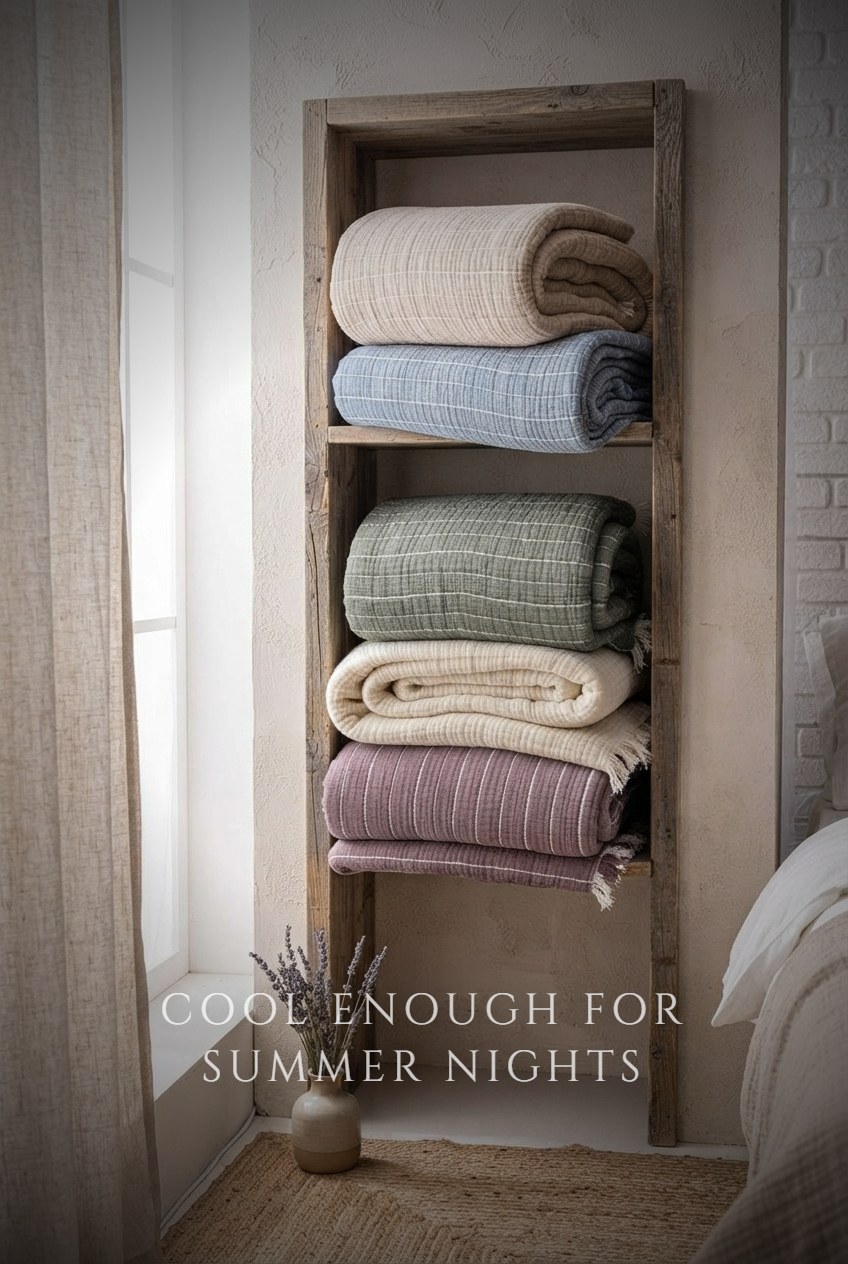
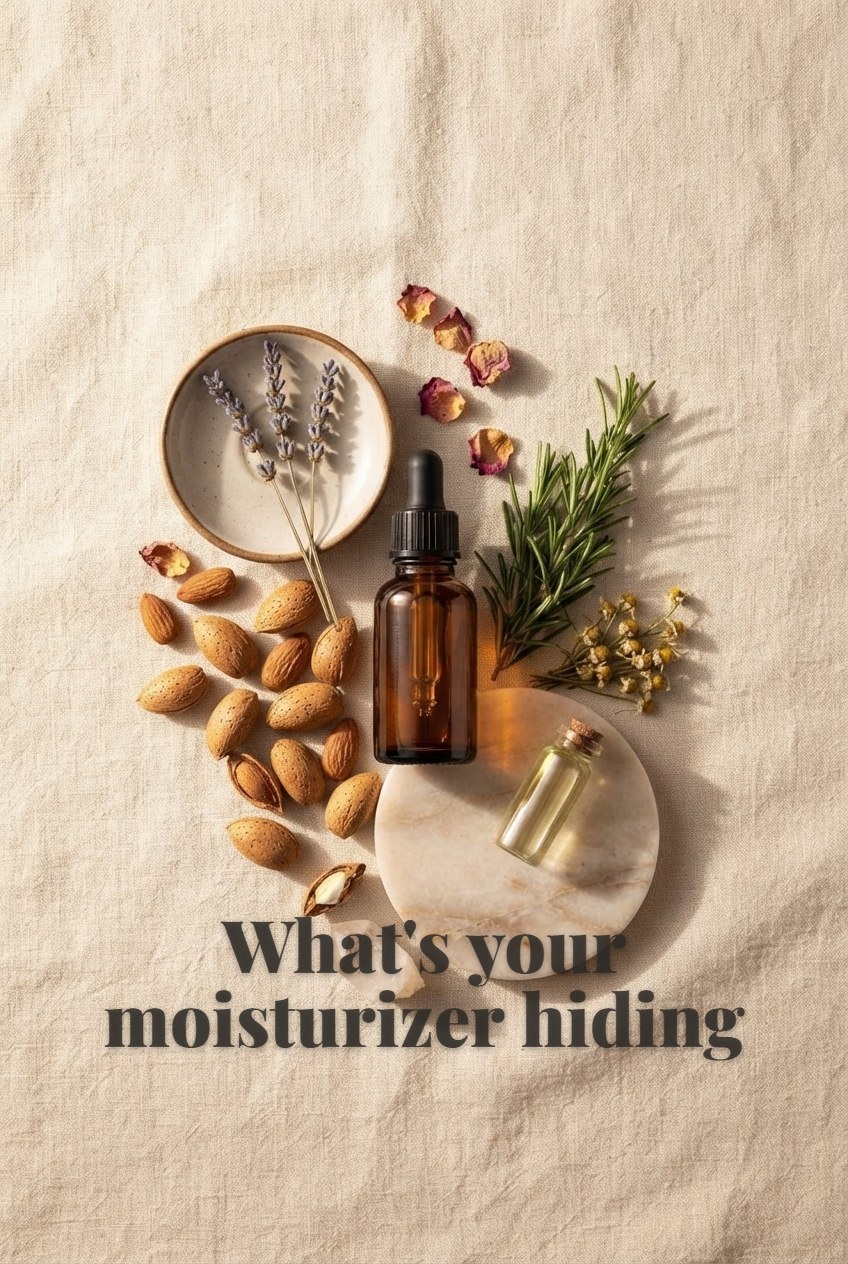
This production gap is exactly what AI product photography closed. Pinstark takes a product link — Amazon, Etsy, Shopify, or Walmart — and generates a complete pin pack in about a minute: new photography of the product staged in lifestyle scenes, flat lays, or studio shots, editorial text overlays that look designed rather than templated, and an SEO title and description for each pin. For a faceless operator that's the whole content engine: no camera, no inventory, no design skills, and each pack is imagery nobody else on Pinterest is using.
Whatever tool you use, two production rules matter: 2:3 vertical images only (Pinterest truncates anything taller in the feed), and fresh images over re-pins — Pinterest's algorithm heavily favors pins it hasn't seen before, so five distinct images for one product beat one image pinned five times.
Step 4: Do Pinterest SEO like it's the job (it is)
Pinterest is a visual search engine, and faceless accounts win or lose on search placement since you have no follower audience to lean on early:
- Search your keywords on Pinterest first and note the autocomplete suggestions — those are real queries, free.
- Pin titles: lead with the search phrase ("Pantry Organization Ideas for Deep Shelves"), not cleverness.
- Descriptions: 1–3 natural sentences with related keywords and your affiliate disclosure.
- Board names and descriptions: keyworded, specific, no puns.
- Pinterest Trends (free) shows seasonality — faceless accounts that plan 6–8 weeks ahead of seasonal peaks (gifts in October, organization in December, garden in February) catch demand waves that impulsive pinning misses.
Step 5: Monetize cleanly
Direct affiliate links in pins work on Pinterest — no blog required (full breakdown: Pinterest affiliate marketing without a blog). Amazon Associates is the common starting point; add your Pinterest profile as a registered traffic source in your Associates settings, use full unshortened links, and put a disclosure ("#ad" or "affiliate link") in every description. Etsy's affiliate program (via Awin) and individual brand programs on ShareASale or Impact often pay meaningfully higher rates than Amazon in decor and gift niches — worth adding once you see what your audience clicks.
Step 6: Run the weekly loop
The sustainable cadence looks like: generate pin packs for 5–10 products per week, post 3–8 pins daily spread across the day, check Pinterest Analytics weekly for outbound clicks (not just impressions), and double down on the products and image styles that earn clicks. That's a few focused hours a week once the system is set up — which is what makes this genuinely operable alongside a job.
How the money actually works
Nobody can tell you what a faceless account will earn, and anyone quoting you a number is guessing or selling. What you can know is the shape of the equation, which is more useful for deciding where to spend effort:
Impressions → outbound clicks → merchant conversions → commission.
Every arrow is a steep drop, and only three things are actually under your control:
How many assets you own. One pin is a lottery ticket; two hundred pins across fifty products is a portfolio with an average instead of an outcome. This is why production cost — Step 3 — is the whole game.
What fraction of viewers click. There's no partial credit for a pin that gets seen and scrolled past. A pin that earns twice the click rate is worth exactly twice as much, forever, at no extra cost to make. Image quality isn't vanity here; it's the multiplier on everything else.
What the niche pays per sale. Amazon's rates are low single digits in most Pinterest-friendly categories. Decor, gift, and craft brands running through ShareASale, Impact, or Awin frequently pay several times that on the same click. Switching programs is the one lever that can change your income without changing your workload.
There's a faceless-specific wrinkle worth naming: because you have no personal brand, sponsorships, coaching, and courses aren't available to you the way they are to face-led creators. Affiliate commission is the entire revenue line. That's a simpler business — but it means lever 3, the commission rate, deserves more attention than most faceless guides give it.
The structural version of all this, with the timeline math, is in passive income with Amazon and Pinterest: the honest version.
Honest expectations
Anyone selling faceless Pinterest as fast money is selling something. Realistic shape of the curve: months 1–2, near-zero — Pinterest is deciding what your account is about; months 3–6, compounding — early pins start ranking in search and impressions snowball; beyond that, the flywheel — old pins keep producing, which is the real appeal. Pins are assets with long lives, unlike posts on any other platform. Faceless Pinterest is a patience trade: low effort per week, delayed payoff, unusually durable results.
The operators who make it work all have the same two ingredients: a production system that makes good pins cheap to create, and the consistency to keep feeding it for months. The second one is on you. The first one is now mostly a solved problem.
FAQ
How much can you make with a faceless Pinterest account? There's no honest number, because it depends on niche commission rates, click-through rate, and how many months of assets you've accumulated. What's knowable is the structure: income scales with pins published, multiplies with image quality, and arrives on a delay of months rather than weeks. The full breakdown of the math is worth reading before you commit time to this.
Do I need followers? No, and this is the main reason faceless works on Pinterest specifically. Most pin distribution comes from search and the related-pins feed, not from your follower count. A brand-new account with well-optimized pins gets shown; a personality-led account with 10,000 followers and bad keywords doesn't.
Is a faceless account against Pinterest's rules? No. Pinterest has no requirement that you show yourself or use a real name — business accounts exist precisely for brands and publishers. What it does enforce is spam behaviour and undisclosed affiliate promotion, both of which apply to face-led accounts equally. The specifics are in the affiliate link rules.
Can I use AI-generated images on a faceless account? Yes. Pinterest detects AI-generated and AI-modified imagery and may label it, which applies to everyone using these tools. Labels haven't stopped useful pins linked to real products from performing — see how to make Pinterest pins with AI.
Do I need a blog or website for this? No. Pinterest permits affiliate links directly on pins, and a free link-in-bio page covers the "where will you promote" question on program applications. Full detail: Pinterest affiliate marketing without a blog.
Which faceless niche is easiest to start in? Home organization and small-space storage, for two reasons: perennial year-round demand rather than seasonal spikes, and products cheap enough that impulse purchases clear the cookie window. Gifts and decor earn more per sale but concentrate their demand into a few months.
Build your content engine in an afternoon: paste a product link into Pinstark and get a complete pin pack — AI product photography, editorial text overlays, SEO titles and descriptions — in about a minute.